Ready or not: will Americans elect their country’s first Black woman president?
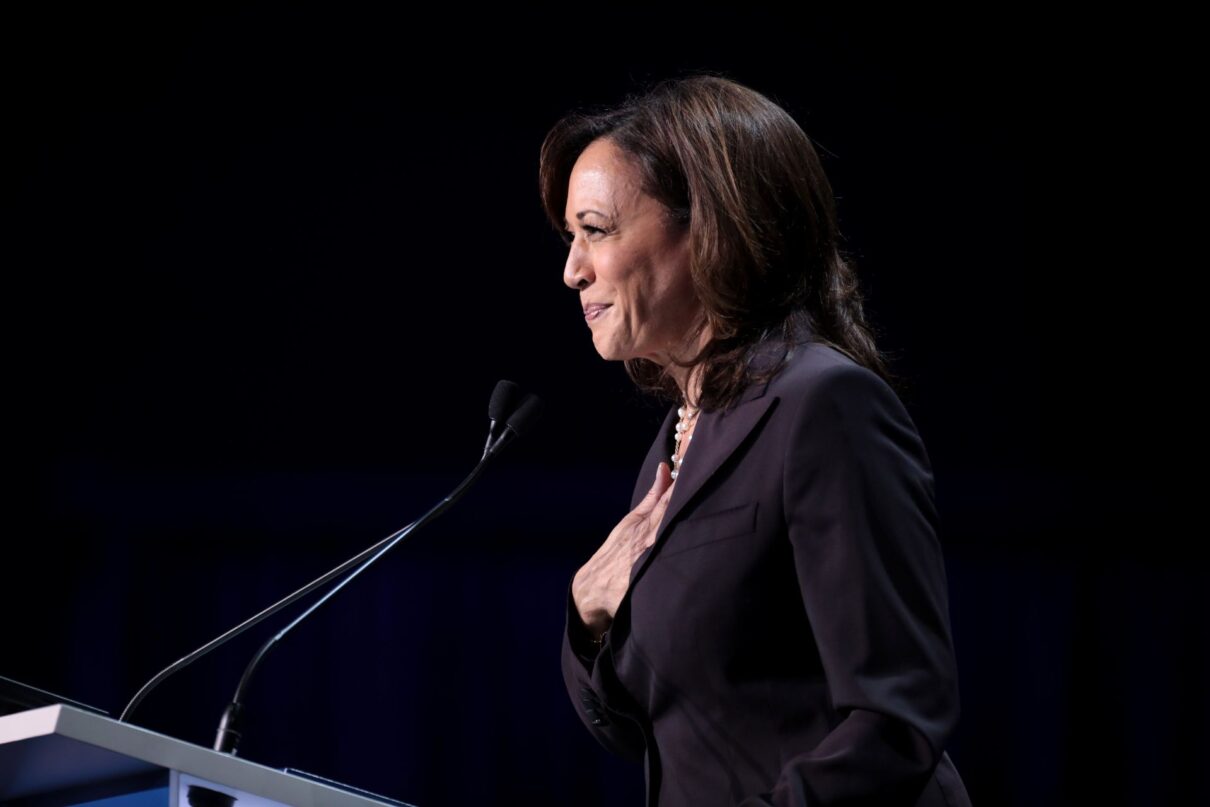
We discuss race in the presidential campaign and the fallout from the debate with Terri Givens, Professor of Race, Ethnicity and Politics at the University of British Columbia.
Professor Terri Givens joins Dr Emma Shortis on this episode of After America to discuss race in American politics and whether the country is ready to elect a Black female president.
This discussion was recorded on Friday 13 September 2024 and things may have changed since recording.
Guest: Terri Givens, Professor of Race, Ethnicity and Politics, University of British Columbia
Host: Emma Shortis, Senior Research for International & Security Affairs, the Australia Institute // @EmmaShortis
Show notes:
‘Race, gender and politics: Is the United States ready for a Black woman president?’ by Terri Givens, The Conversation (July 2024)
‘Is America ready to elect a Black woman president?’ by Emma Shortis, The Conversation (September 2024)
The Roots of Racism: The politics of white supremacy in the US and Europe by Terri Givens (January 2022)
Radical Empathy: Finding a path to bridging racial divides by Terri Givens (February 2022)
‘With Democrats “fired up” by Harris’ candidacy, young people are now registering to vote in droves’ by Nandika Chatterjee, Salon (August 2024)
Theme music: Blue Dot Sessions
We’d love to hear your feedback on this series, so send in your questions, comments or suggestions for future episodes to podcasts@australiainstitute.org.au.




Between the Lines Newsletter
The biggest stories and the best analysis from the team at the Australia Institute, delivered to your inbox every fortnight.
You might also like

As American democracy faces huge tests, is Australia prepared for the worst?
No one knows what’ll happen at the November midterms or the next presidential election. Is the Australian government prepared for the worst-case scenario?

“No plan” and no end in sight for Trump’s “little excursion” in Iran
The Trump administration’s war on Iran is the most “incompetent, incoherent” war the United States has fought in a century, according to one US Senator.
“Everything is uncertain”: Trump-Xi meeting leaves the world on edge
Trump and Xi may have come to a “deal”, but their meeting was a wasted opportunity. Plus: what do Australians think about our relationship with the US?