
Just as introducing the carbon tax didn’t really drive the cost of a leg of lamb to $100, removing it isn’t really going to have any noticeable impact on the cost of living.
Supermarkets are adamant they didn’t increase prices when the carbon price came in, and they are just as adamant they won’t cut prices when it is scrapped.
In rich countries with strong economies, politics revolves around symbolic issues. Asylum seekers account for a tiny fraction of our rapid population growth but are the focus of all our debate about population.
Our public debt is tiny, but the political furore around it prevents meaningful debate about the kind of infrastructure and human capital we should invest in. The carbon price was never really a “wrecking ball” through the economy, but the polemic around it prevented meaningful debate about shifting the burden of tax away from labour and towards pollution.
If not repealed, the carbon price introduced by Labor is set to fall from $25.40 today to about $8 next June, when the fixed-price period ends and the floating-price period begins.
Related documents
Between the Lines Newsletter
The biggest stories and the best analysis from the team at the Australia Institute, delivered to your inbox every fortnight.
You might also like

Why a fossil fuel-free COP could put Australia’s bid over the edge
When the medical world hosts a conference on quitting smoking, they don’t invite Phillip Morris, or British American Tobacco along to help “be part of the solution”.
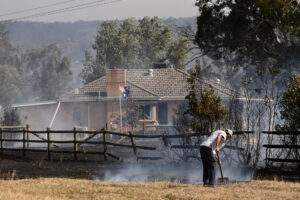
Burning homes and rising premiums: why fossil fuel companies must pay the bill
Another summer, another round of devastation: homes lost, communities evacuated, lives upended.
Give free rein to our worst instincts and we all risk sinking
Most children with Eastern European relatives will learn this lesson young; a scorpion wants to cross a river but it can not swim. It sees a frog about to get into the river and pleads with it for a ride.