Will women win Kamala Harris the election?
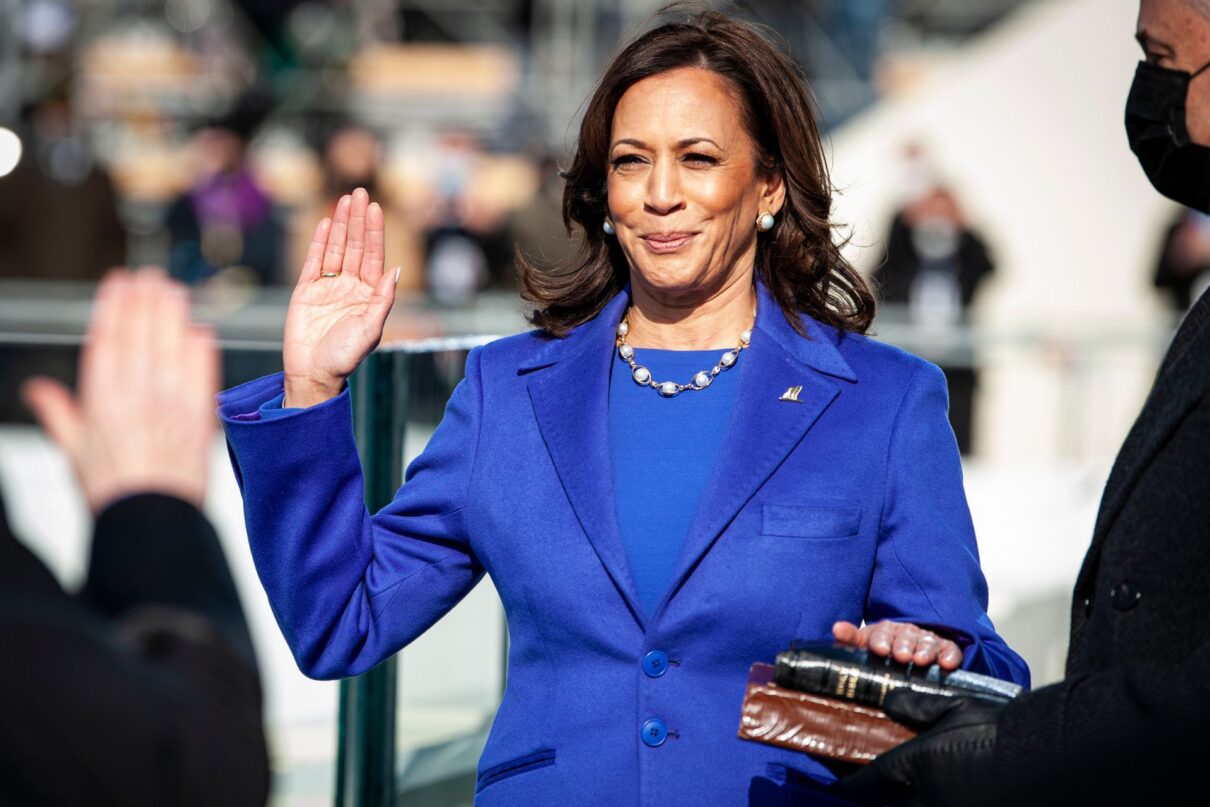
Emma is on the road at a Harris rally in North Carolina and Bruce Thompson, former advisor to the Obama and Clinton campaigns in the state, joins us to preview the election.
Bruce Thompson joins Dr Emma Shortis to discuss what it’s like to live in a battleground state in the heat of a presidential campaign, the prospect of legal challenges from the Trump in the event of a Democratic victory, and who Harris might pick as her Secretary of State if she wins the election.
This discussion was recorded on Friday 1 November 2024 and things may have changed since recording.
Guest: R. Bruce Thompson II, Partner, Parker Poe
Host: Emma Shortis, Director of International & Security Affairs, the Australia Institute // @EmmaShortis
Theme music: Blue Dot Sessions
Subscribe for regular updates from the Australia Institute.
We’d love to hear your feedback on this series, so send in your questions, comments or suggestions for future episodes to podcasts@australiainstitute.org.au.



Between the Lines Newsletter
The biggest stories and the best analysis from the team at the Australia Institute, delivered to your inbox every fortnight.
You might also like

Gender parity closer after federal election but “sufficiently assertive” Liberal women are still outnumbered two to one
Now that the dust has settled on the 2025 federal election, what does it mean for the representation of women in Australian parliaments? In short, there has been a significant improvement at the national level. When we last wrote on this topic, the Australian Senate was majority female but only 40% of House of Representatives

Australia’s parliaments closing in on gender parity, in spite of coalition “women problem” – new analysis
New analysis by The Australia Institute reveals that, following the recent federal election, there are now more women than ever in Australia’s nine parliaments, but the coalition’s so-called “women problem” remains.
The election exposed weaknesses in Australian democracy – but the next parliament can fix them
Australia has some very strong democratic institutions – like an independent electoral commission, Saturday voting, full preferential voting and compulsory voting. These ensure that elections are free from corruption; that electorate boundaries are not based on partisan bias; and that most Australians turn out to vote. They are evidence of Australia’s proud history as an